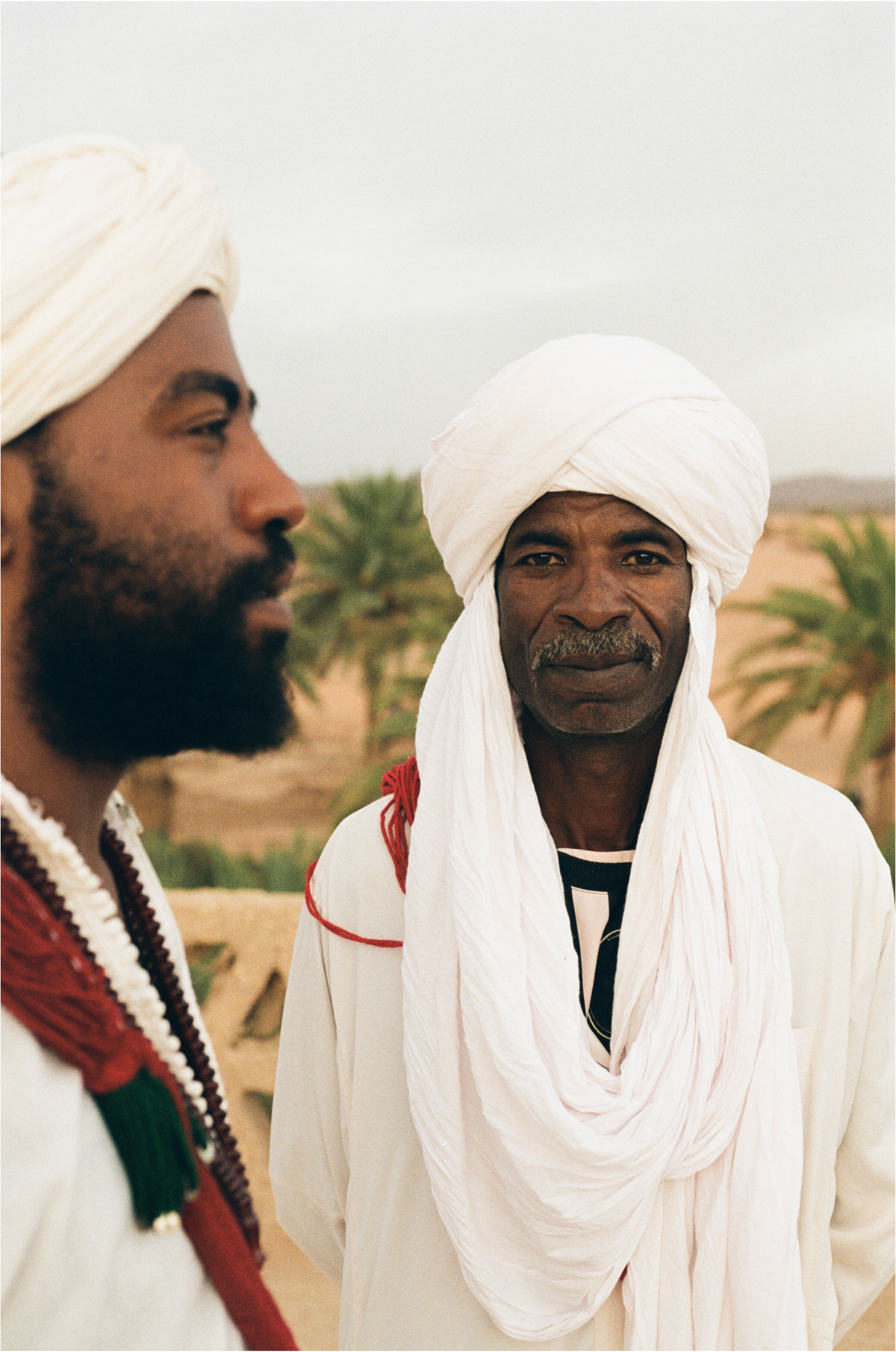
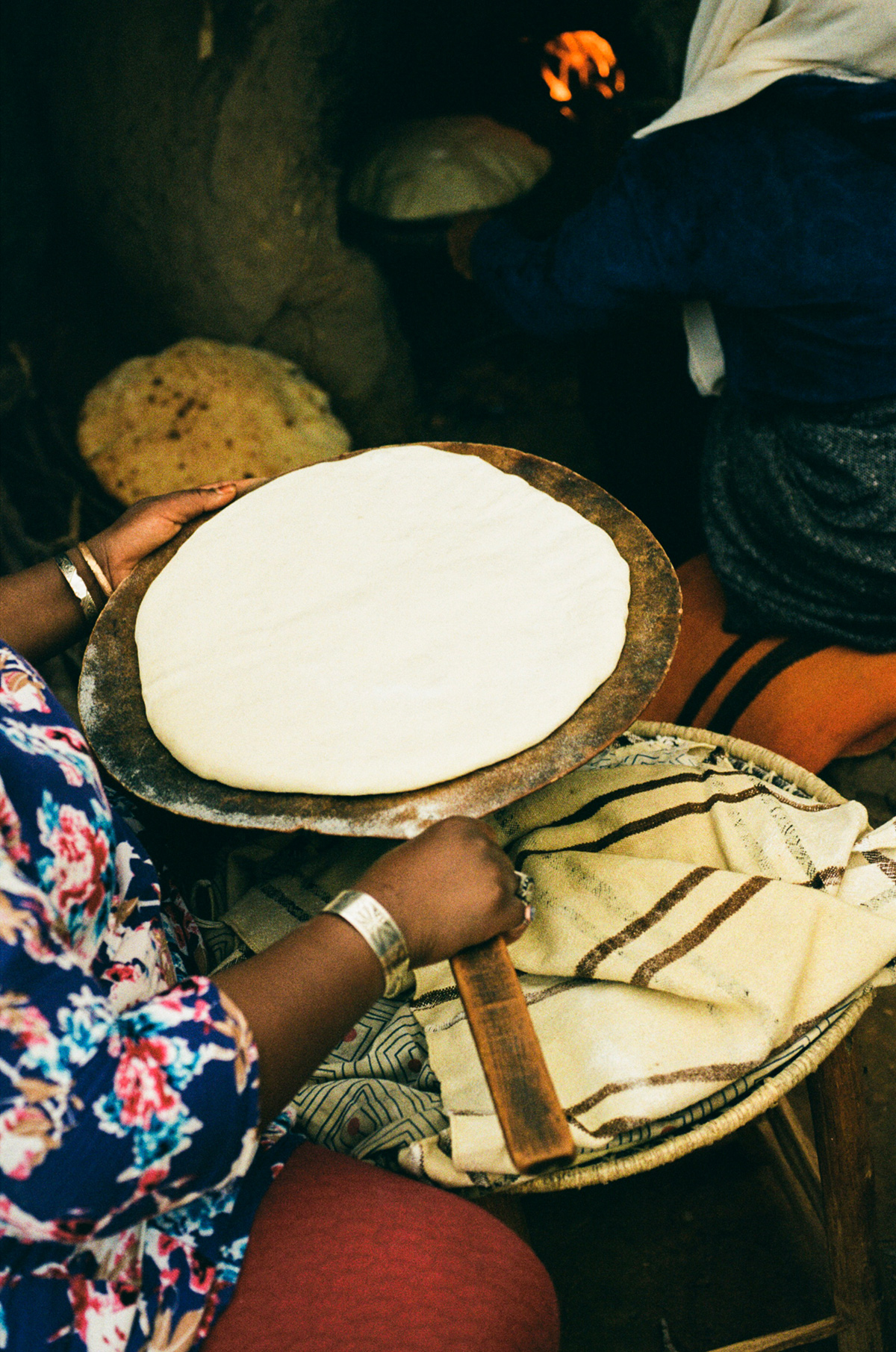
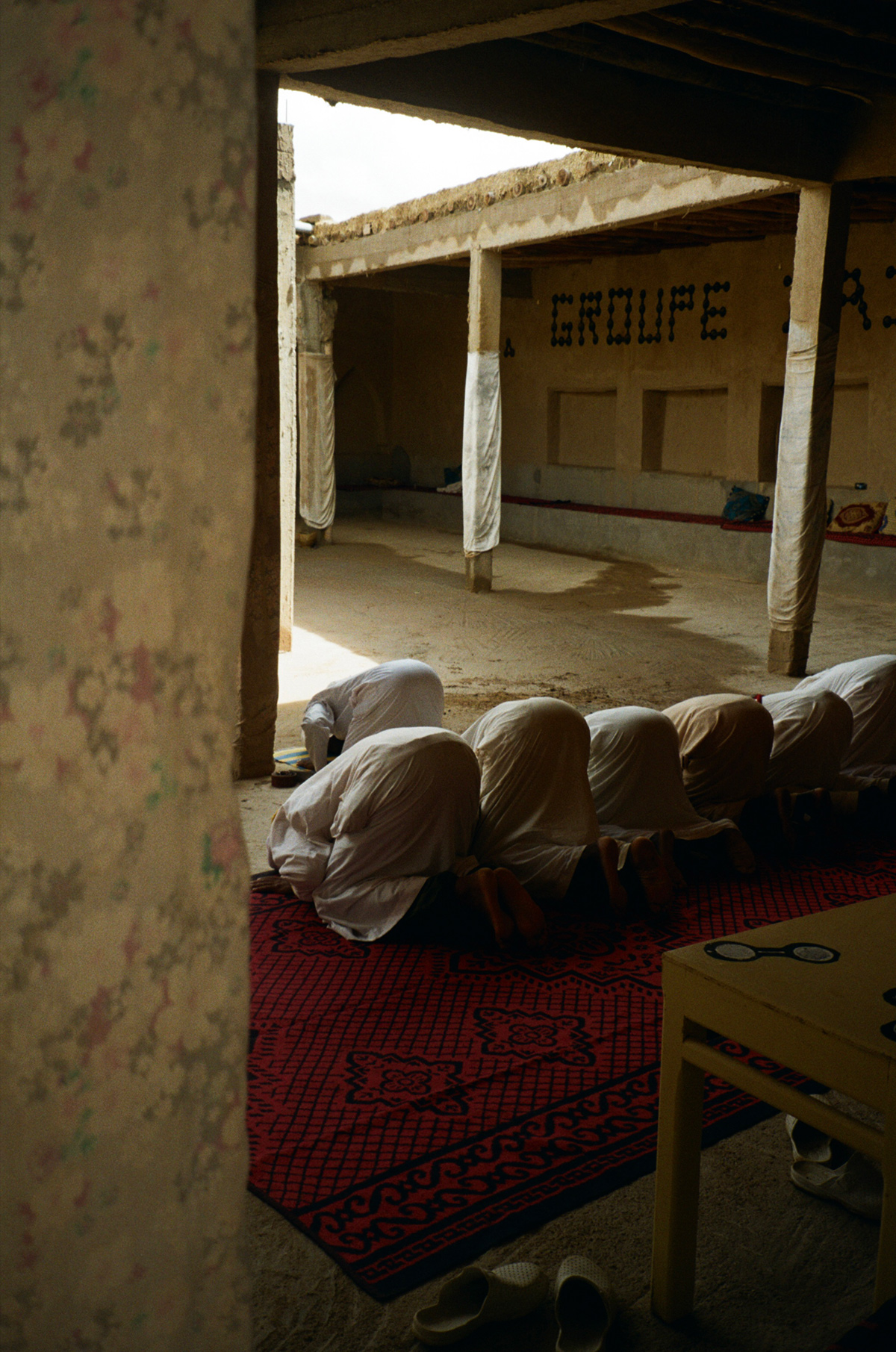
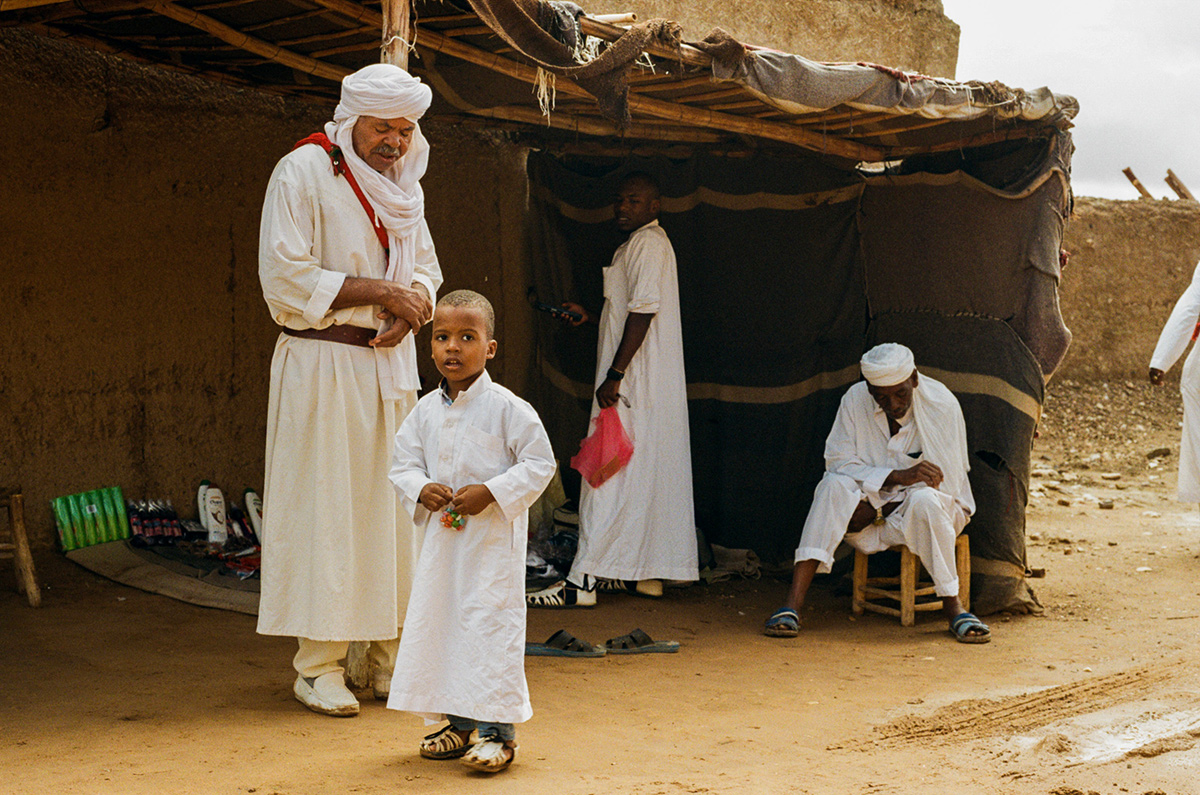
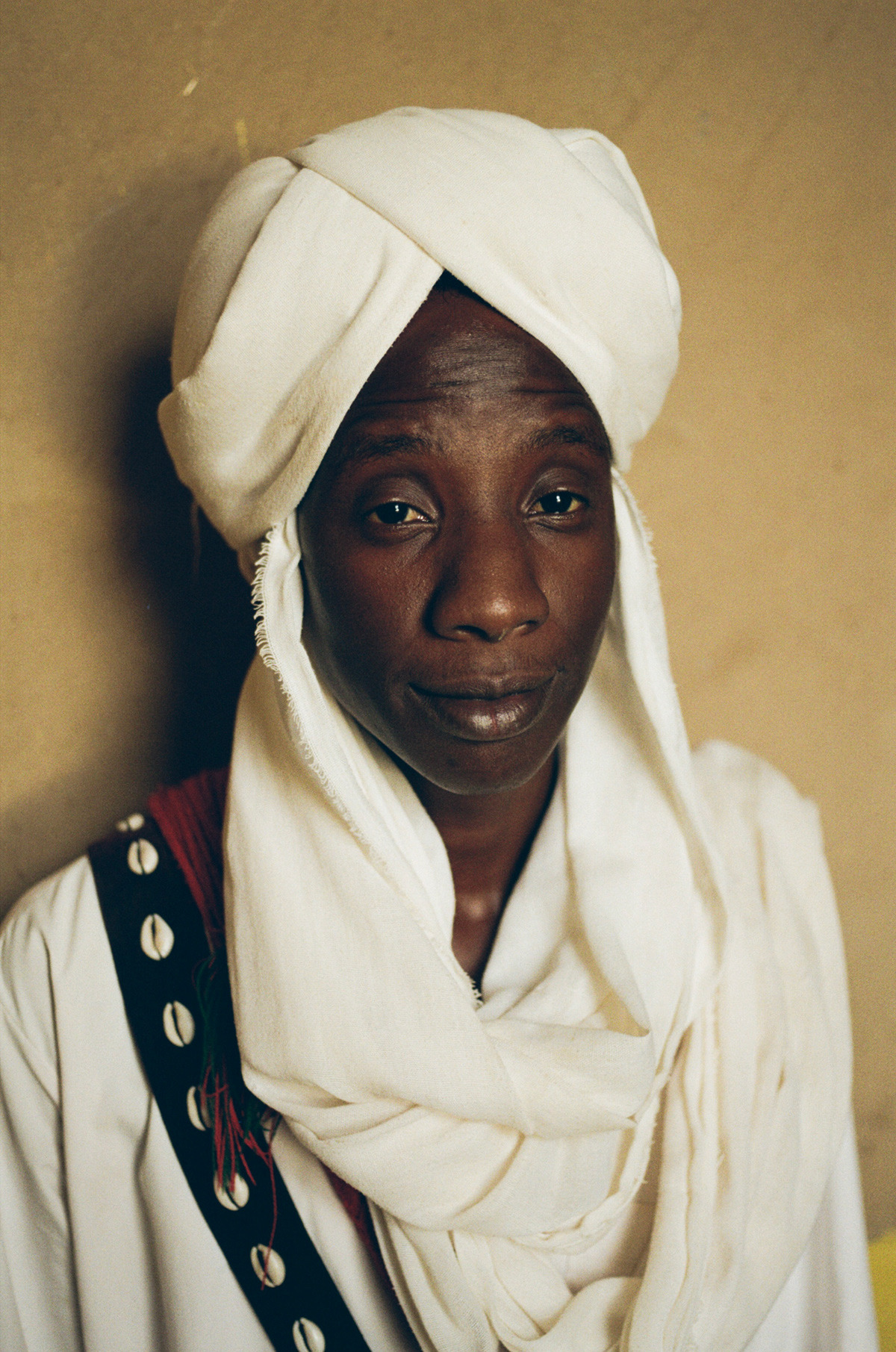
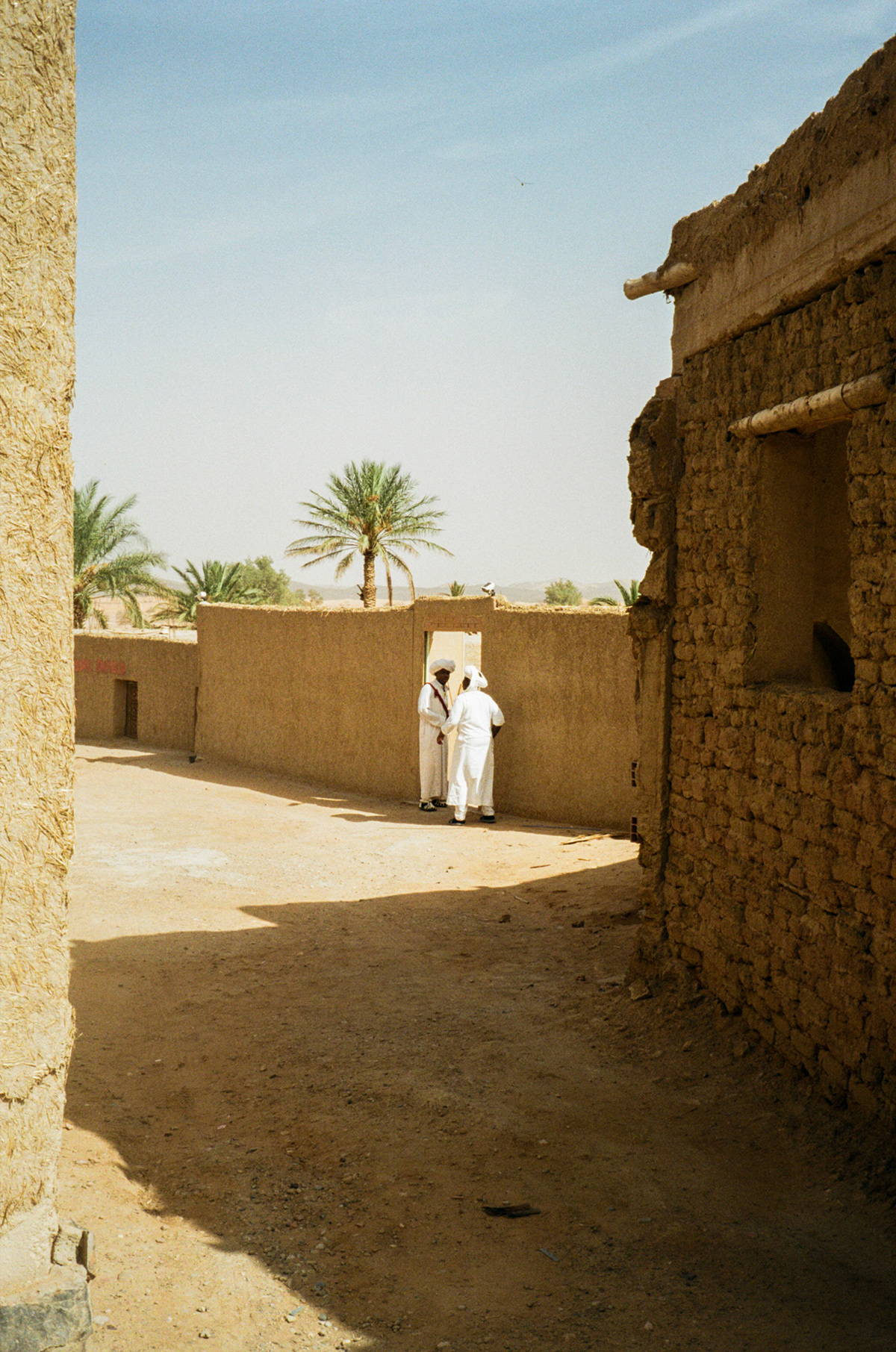
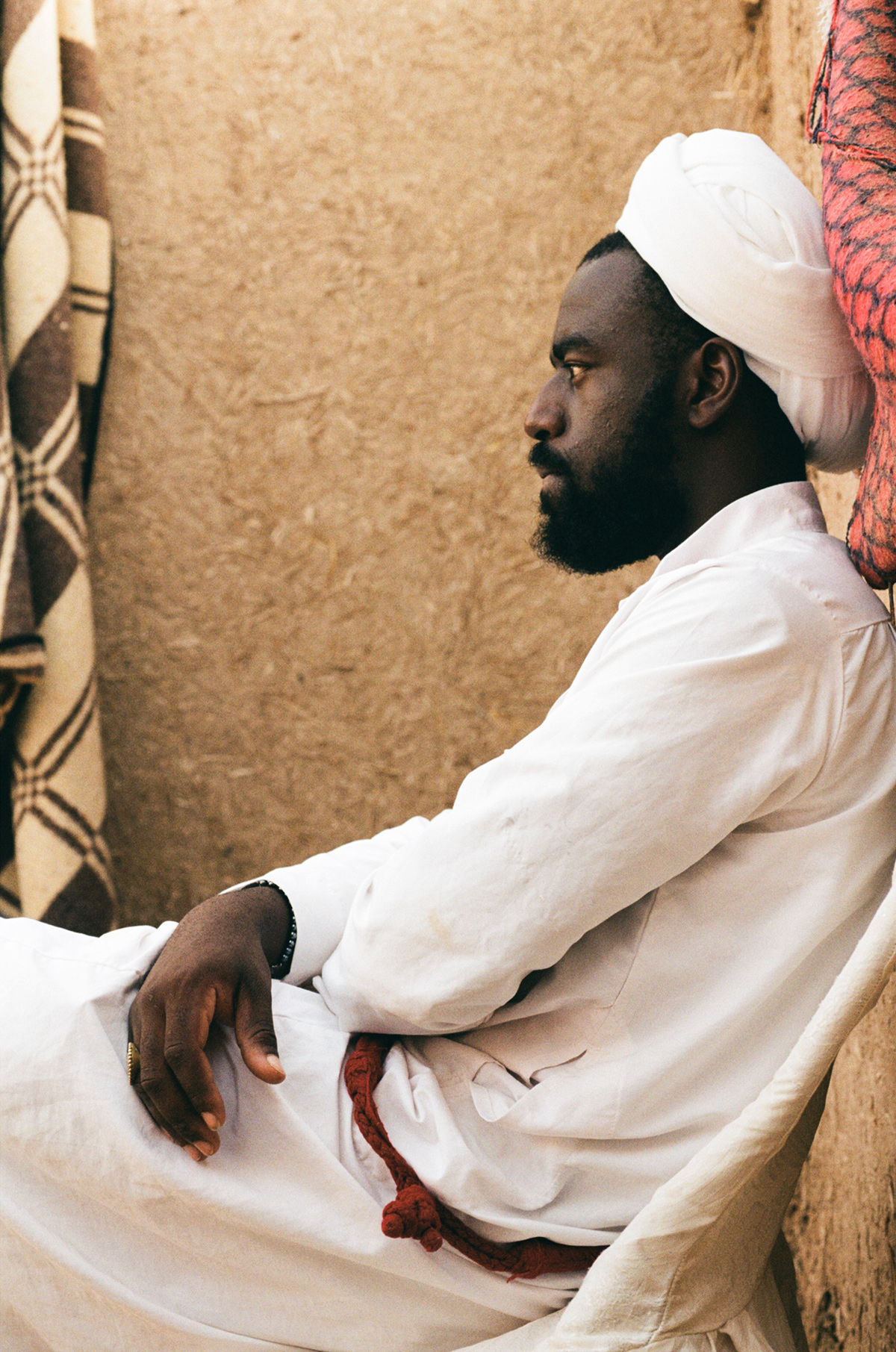
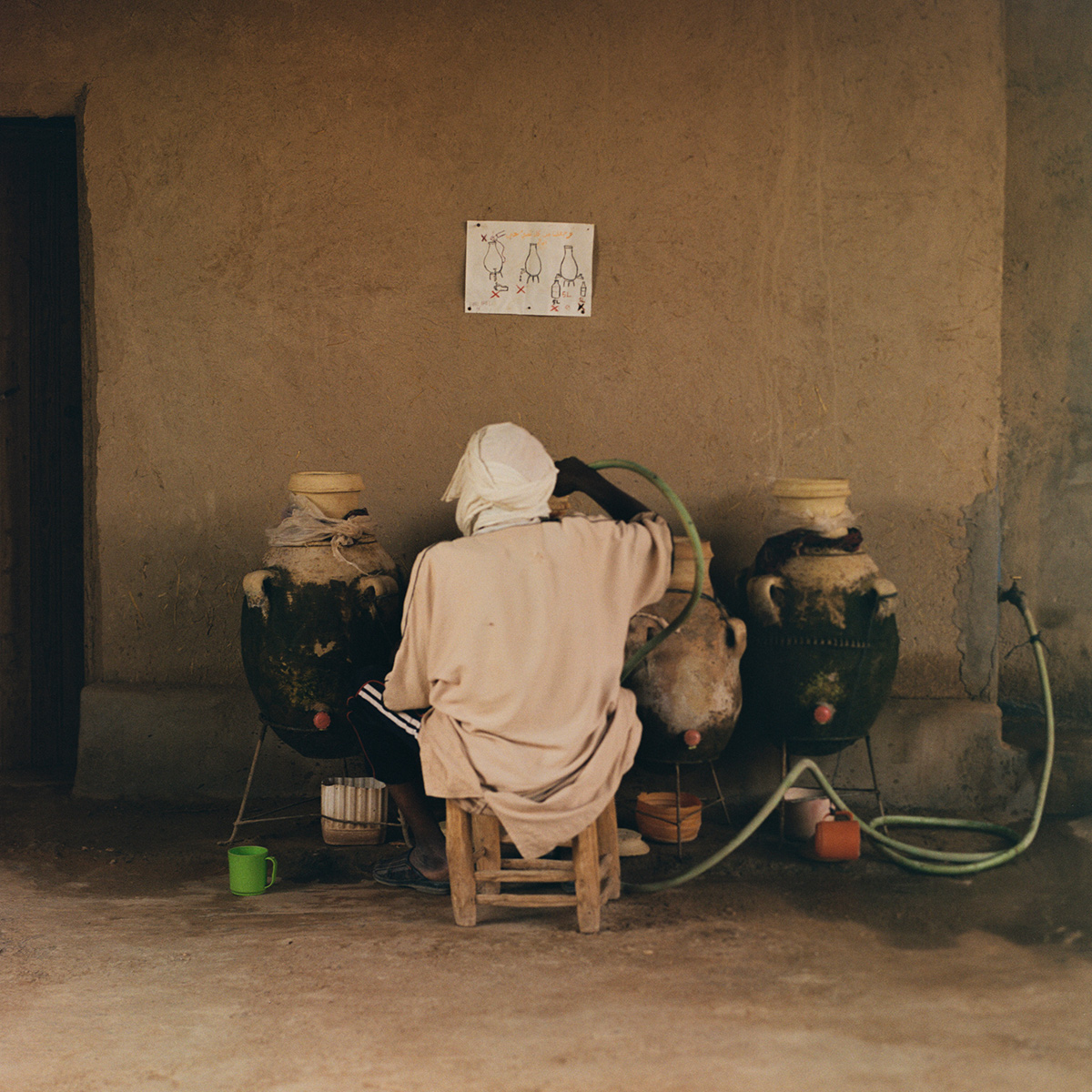
London-based photographer Taha Al-izzi explores the quiet cartography of everyday life in Khemliya, a remote village in the Sahara. Born in Amman to Kurdish-Iraqi parents, Al-izzi’s personal history of movement and dislocation informs his approach to documenting the Gnawa community. This project serves as a meditation on exile, mapping the shared experiences of forced migration across North Africa and the Kurdish diaspora. By capturing portraits and fragments of the village, the work highlights a spirit of resilience and the feeling of belonging while being physically elsewhere.
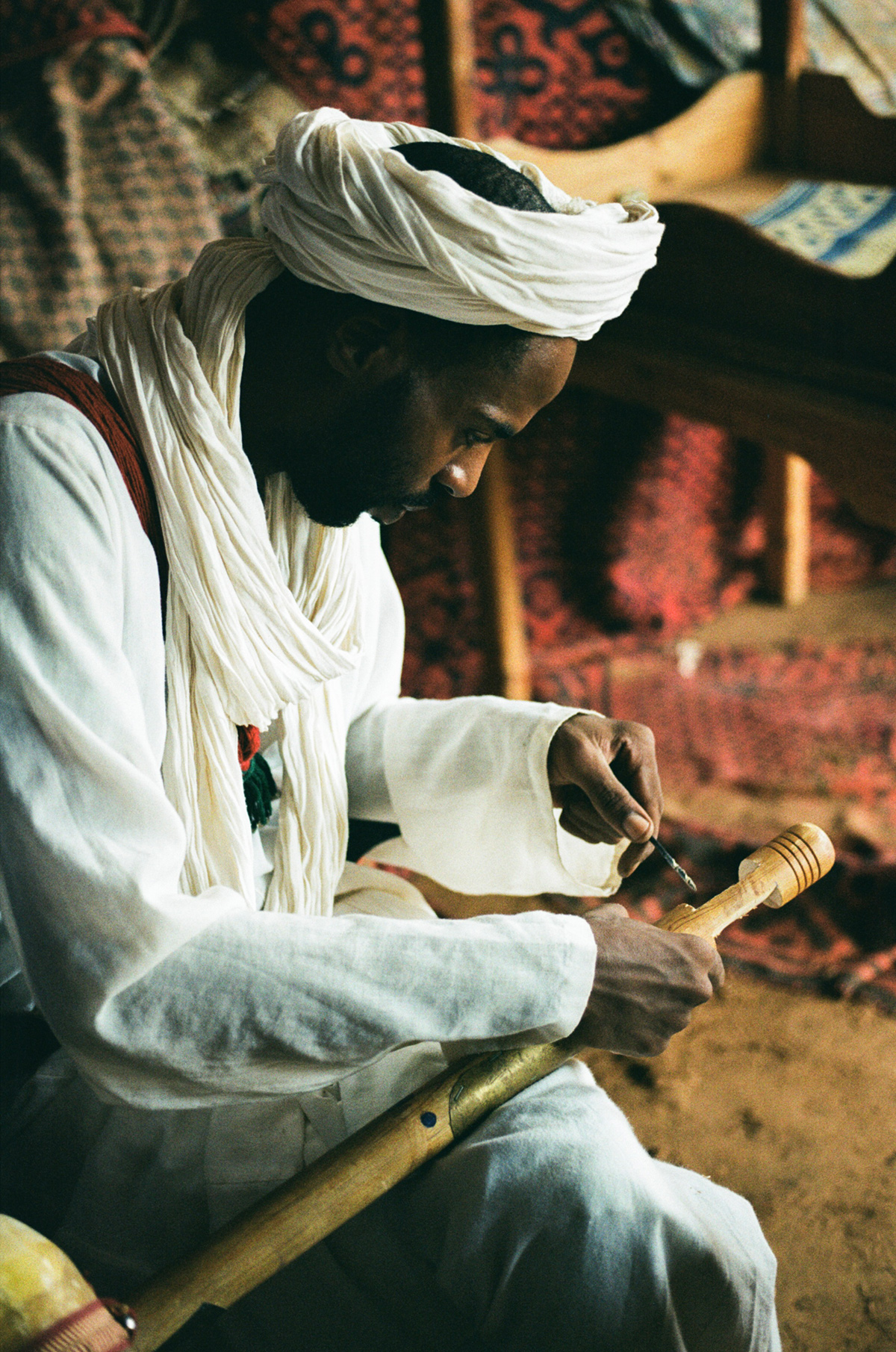
The project emerged from a multidisciplinary residency where an ephemeral recording studio was constructed inside a mud house to archive the voices of local musicians. Al-izzi aims to translate the rich history of a community whose music preserves ancestral memory despite the challenges of desertification. His photography is one component of a larger body of work that includes a short film, a music album, and a book. This collection of images serves as a powerful record of cultural continuity, showing how knowledge is passed down through generations in the face of environmental and social change.
During a two-week sound residency organized by Mathias Chaboteaux (Huveshta Rituals Records) and music producer Louis Shungu, an ephemeral recording studio was built inside a mud house to capture the voices and instruments of the village’s musicians. My aim was to translate their story through the lens, to portray a community whose music carries both memory and resilience. The resulting photographs form part of a broader multidisciplinary project: a 16mm short film, a photo book combining text and imagery, and a music album—all set to be exhibited across Europe alongside live performances. This work stands as a tribute to people living on the edge of desertification, whose ancestral knowledge continues to spread from older generations to the younger ones.
More info: Instagram.